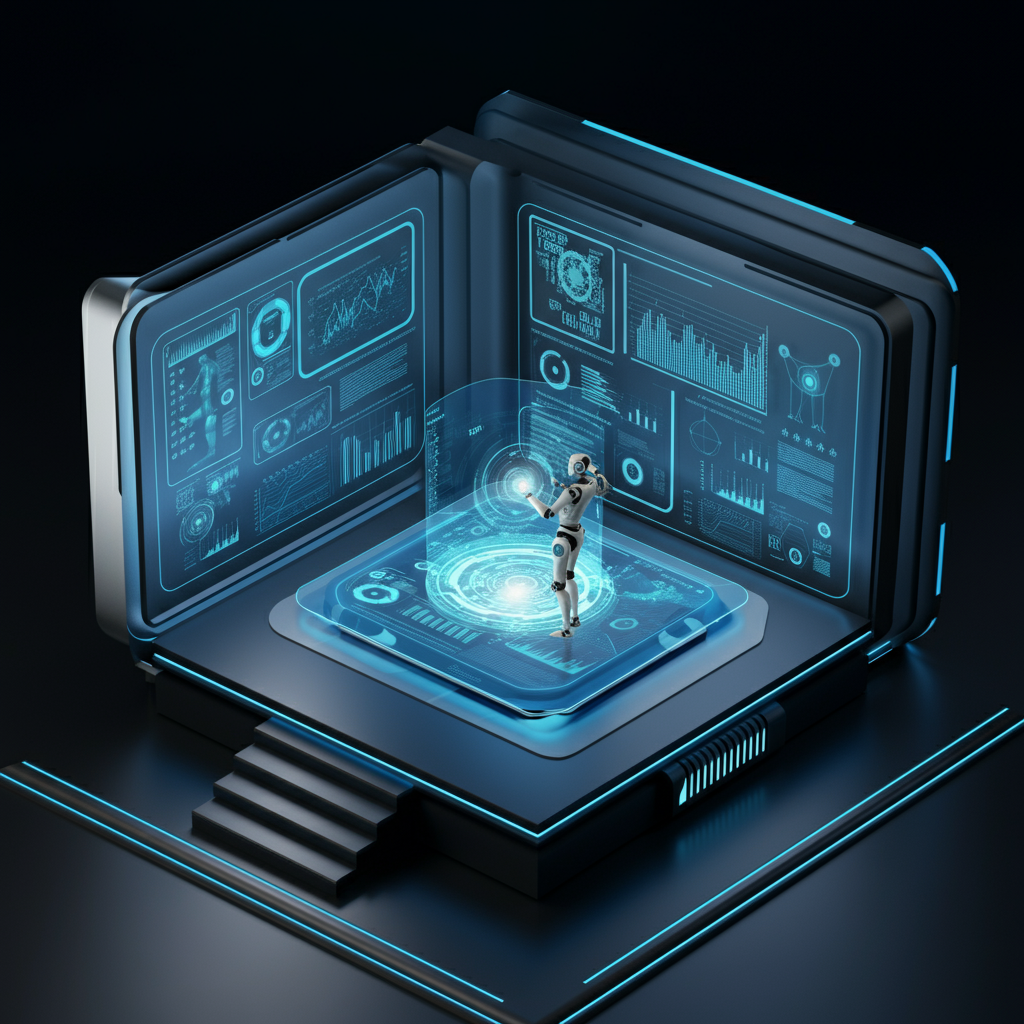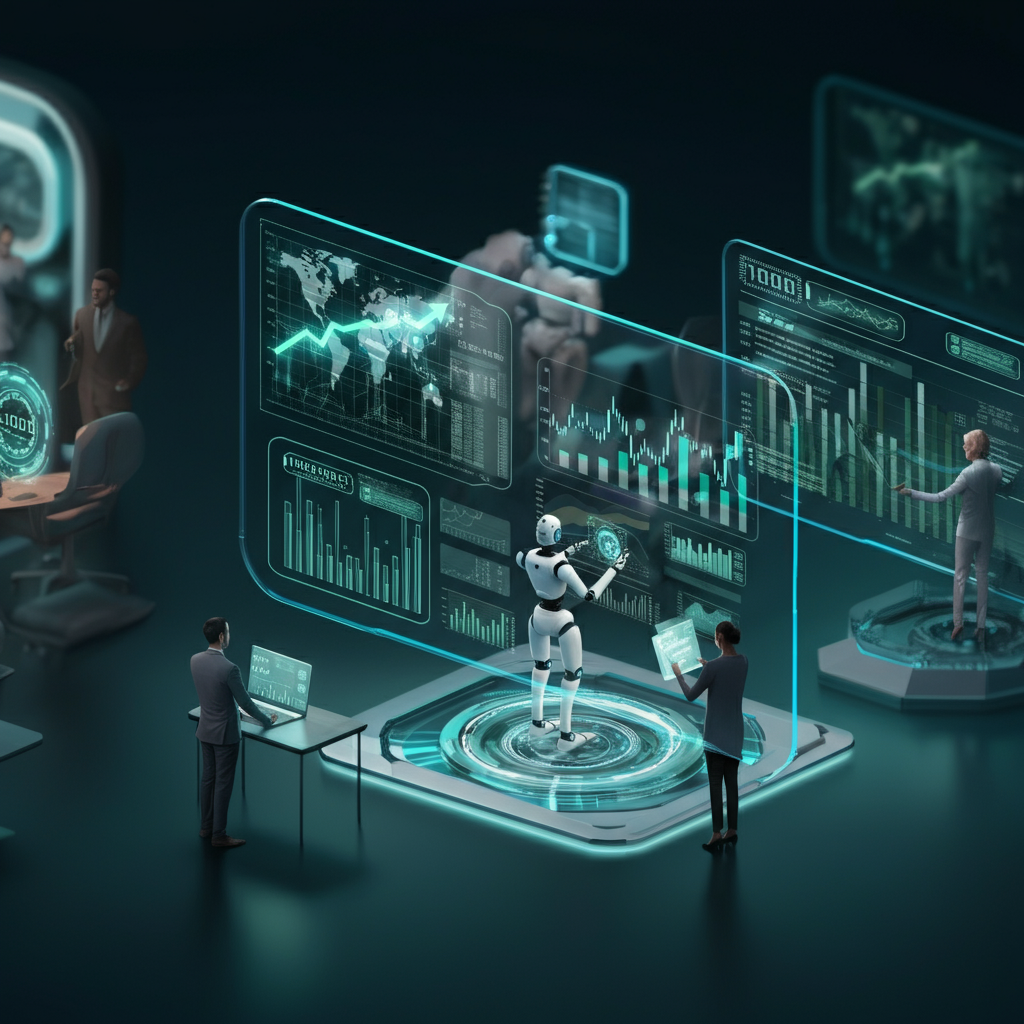
Artificial intelligence has moved from the pages of science fiction into the core of our global economy and daily work lives. This powerful technology is not just an incremental improvement; it is a fundamental shift that is creating new opportunities, driving significant economic growth, and redefining what it means to be productive. As businesses and individuals adopt AI tools, we are witnessing a transformation that impacts everything from manufacturing and healthcare to creative industries and customer service.
The conversation around AI often splits into two camps: one that foresees massive economic upheaval and job displacement, and another that envisions a future of unparalleled efficiency and human empowerment. The reality, as it unfolds, appears to be a complex and fascinating mix of both. This post will explore the tangible ways AI is boosting the economy, look at how it is transforming workplace productivity, and discuss both the opportunities and challenges that lie ahead in this new era of intelligent technology.
The Engine of Economic Growth: AI’s Macro Impact
At a high level, artificial intelligence is emerging as a primary driver of economic expansion. Major consulting firms and economic analysts project that AI could add trillions of dollars to the global economy over the next decade. This growth stems from several key areas where AI creates value, enhances efficiency, and stimulates new markets.
1. Productivity Gains at Scale
One of the most significant economic contributions of AI is its ability to automate tasks and processes, leading to substantial productivity gains. When AI handles repetitive, rule-based, or data-intensive work, it frees human employees to focus on more strategic, creative, and high-value activities.
Consider the manufacturing sector. AI-powered robots and quality control systems can operate 24/7 with a level of precision that humans cannot match. These systems can identify microscopic defects in products on an assembly line, predict when machinery needs maintenance to prevent costly downtime, and optimize supply chain logistics in real-time. These efficiencies reduce operational costs, increase output, and allow companies to deliver better products at more competitive prices.
2. Innovation and New Business Models
AI is not just about doing old things better; it’s about doing entirely new things. The technology has become a catalyst for innovation, enabling the creation of new products, services, and business models that were previously impossible.
Think of personalized medicine, where AI algorithms analyze a patient’s genetic makeup and lifestyle to recommend tailored treatment plans. Or consider the financial industry, where AI-driven “robo-advisors” provide automated, low-cost investment management to a broad audience. These innovations don’t just improve existing services—they create entirely new markets and revenue streams, contributing directly to economic growth.
3. Smarter Resource Allocation
From energy grids to agricultural fields, AI is optimizing the allocation of scarce resources. Smart grids use AI to predict electricity demand and route power more efficiently, reducing waste and preventing outages. In agriculture, AI-powered drones and sensors monitor crop health, soil conditions, and weather patterns, allowing farmers to apply water and fertilizer only where needed. This precision agriculture increases crop yields while minimizing environmental impact and reducing costs. This smarter use of resources on a global scale is a powerful force for sustainable economic development.
Transforming the Modern Workplace: A New Definition of Productivity
While AI’s macroeconomic effects are profound, its impact is most immediately felt in the day-to-day transformation of workplace productivity. AI is augmenting human capabilities, automating tedious tasks, and providing insights that lead to better decision-making. This shift is creating a more dynamic and efficient work environment.
Augmenting the Workforce, Not Just Replacing It
A common fear is that AI will lead to mass unemployment. While some jobs will be automated, a more prominent trend is workforce augmentation. AI is becoming a powerful partner, or “co-pilot,” that enhances human skills and helps employees achieve more.
- For Software Developers: AI coding assistants like GitHub Copilot can suggest lines of code, write boilerplate functions, and even help debug errors. This drastically reduces the time spent on mundane coding tasks, allowing developers to focus on complex problem-solving and innovative software architecture.
- For Content Creators: AI writing tools can help generate ideas, check for grammar and style, summarize long documents, and even create first drafts of articles or reports. This allows writers and marketers to overcome writer’s block and produce high-quality content more quickly.
- For Data Analysts: AI platforms can sift through massive datasets in seconds, identifying trends, patterns, and anomalies that a human analyst might miss. This empowers businesses to make faster, more informed decisions based on data-driven insights rather than intuition.
Streamlining Operations with Intelligent Automation
Beyond individual tasks, AI is streamlining entire business workflows. This is often referred to as “intelligent automation” or “hyperautomation.”
- Customer Service: AI-powered chatbots can handle a large volume of common customer inquiries 24/7, providing instant answers and freeing up human agents to manage more complex or sensitive issues. This improves customer satisfaction while reducing operational costs.
- Human Resources: AI can automate the initial stages of recruitment by scanning resumes to identify the most qualified candidates. It can also manage employee onboarding processes, answer common HR questions, and help with scheduling, freeing the HR team to focus on culture, employee development, and strategic planning.
- Finance and Accounting: AI systems can automate invoice processing, expense report approvals, and financial reconciliation. This reduces the risk of human error, ensures compliance, and provides real-time visibility into a company’s financial health.
Closing the Skill Gap
Paradoxically, this advanced technology is also helping to democratize skills. AI tools can provide on-the-job guidance and support, enabling less experienced employees to perform tasks that once required years of training. A junior graphic designer can use an AI image generator to create professional-quality visuals, or a sales representative can use an AI-powered CRM to get real-time suggestions on which leads to prioritize. By providing this scaffolding, AI helps narrow the skill gap across the workforce, making teams more versatile and resilient.
Navigating the Challenges of an AI-Driven Future
The transition to an AI-powered economy and workplace is not without its challenges. To fully realize the benefits of AI, organizations and society as a whole must address several critical issues.
The Need for Reskilling and Upskilling
As AI automates certain tasks and jobs, the demand for different skills will grow. There will be a greater need for roles that require critical thinking, creativity, emotional intelligence, and complex problem-solving—skills where humans still far outperform machines. Furthermore, a new set of skills related to managing, interpreting, and working alongside AI systems will become essential. Governments, educational institutions, and businesses must invest heavily in reskilling and upskilling programs to prepare the workforce for the future of work with AI.
Ethical Considerations and Bias
AI systems are trained on data, and if that data reflects existing societal biases, the AI will learn and perpetuate them. This can lead to unfair outcomes in areas like hiring, loan applications, and even criminal justice. Ensuring fairness, transparency, and accountability in AI systems is a crucial challenge. Organizations must be diligent in auditing their algorithms for bias and creating ethical guidelines for the development and deployment of AI.
Data Privacy and Security
AI models require vast amounts of data to function effectively, raising significant concerns about privacy and security. How is this data collected, stored, and used? How can we protect it from malicious actors? Establishing robust data governance policies and investing in advanced cybersecurity measures are essential for building trust and ensuring the responsible use of AI.
Conclusion: Embracing a Productive Partnership with AI
Artificial intelligence is already a powerful force for economic growth and productivity. It is creating new industries, optimizing the use of resources, and empowering workers to achieve more than ever before. From intelligent automation in the factory to AI co-pilots on our desktops, the technology is reshaping how we work, innovate, and create value.
The key to navigating this transformation successfully is to view AI not as a threat, but as a partner. By embracing AI-driven productivity tools, we can automate the mundane aspects of our jobs and free ourselves to focus on the work that truly matters—the creative, strategic, and interpersonal tasks that drive progress.
For businesses, this means strategically investing in AI technology while also investing in their people through training and development. For individuals, it means cultivating a mindset of lifelong learning and adapting to new tools and workflows. The future of work is not a battle of human versus machine, but a collaboration. By thoughtfully integrating AI into our economic and professional lives, we can unlock a future of unprecedented productivity, innovation, and opportunity.